
When Rewarding Heroics Manufactures Fragility

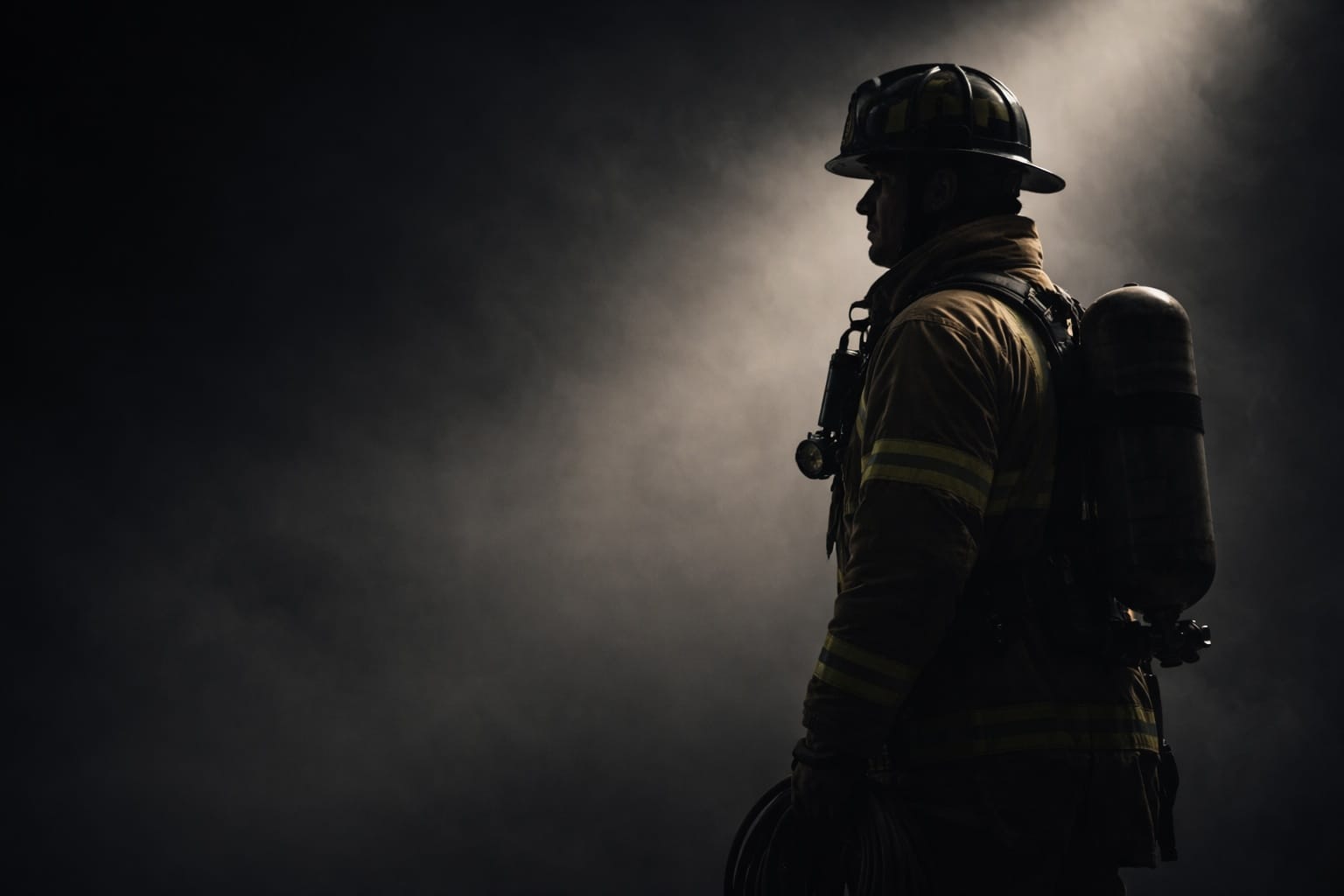
Organizations that celebrate those who “save the day” are not rewarding excellence. They are admitting—often unconsciously—that leadership can only recognize value after systems have already failed. What follows is not resilience, but a steady accumulation of fragility disguised as performance.
This pattern rarely appears as a deliberate choice. It emerges from a simple and comfortable logic: incidents are visible, stressful, and measurable. The response is observable. The recovery is tangible. In contrast, the work that prevents incidents produces no event, no moment of recognition, and no dramatic outcome. Absence does not register as value.
What leadership chooses to reward becomes the definition of what the organization believes matters.
Over time, leadership attention becomes calibrated around moments of failure. Recognition, promotion, and bonuses follow what can be clearly seen under pressure. This is not a cultural preference; it is a governance signal. What leadership chooses to reward becomes the definition of what the organization believes matters.
The consequence is a quiet but powerful distortion. Engineers who specialize in prevention, stability, and long-term reliability generate fewer visible moments of success. Their impact is expressed through things that do not happen. As reward systems translate visibility into career capital, these individuals become progressively harder to justify, easier to overlook, and eventually easier to lose.
At the same time, those who thrive in incident response environments are amplified. Firefighting becomes a career accelerant. Short-term recovery outcompetes long-term stability. None of this requires explicit intent. The system selects for what is rewarded, not for what is needed.
As preventive capacity erodes, incidents become more frequent. Each incident reinforces the same recognition pattern, further validating the belief that heroic response is evidence of commitment and excellence. Leadership confidence can paradoxically increase, fueled by repeated demonstrations that the organization can recover under pressure.
Work that reduces future risk is treated as optional
Preventive work also introduces friction. Engineers focused on resilience slow things down, ask for time that does not map to immediate delivery, and sometimes argue that certain changes should not be made at all. This resistance is not dramatic and it does not perform well under urgency. In organizations conditioned to value visible action, friction is easily misread as lack of commitment.
Over time, this misreading hardens. Requests for resilience are interpreted as over-engineering. Caution is reframed as perfectionism. Saying “not yet” or “not this way” is perceived as misalignment with business urgency. The signal inversion is complete: work that reduces future risk is treated as optional, while work that absorbs failure after the fact is treated as essential.
This is the core failure. Organizations that reward value only at the moment of failure train themselves to detect risk only after damage has already occurred. Risk is not reduced; it is merely deferred until it becomes unavoidable. Fragility accumulates quietly, normalized through repeated recovery rather than addressed through prevention.
Reward systems are often treated as motivational tools or cultural artifacts. In reality, they function as governance mechanisms. They shape how risk is perceived, how effort is interpreted, and which capabilities are allowed to survive. When prevention remains invisible, governance silently endorses fragility.
This outcome is not the result of poor intent, weak culture, or individual behavior. It is the predictable consequence of what leadership chooses to see, measure, and reward. Organizations do not accidentally manufacture fragility. They govern it into existence.
No spam, no sharing to third party. Only you and me.




Member discussion